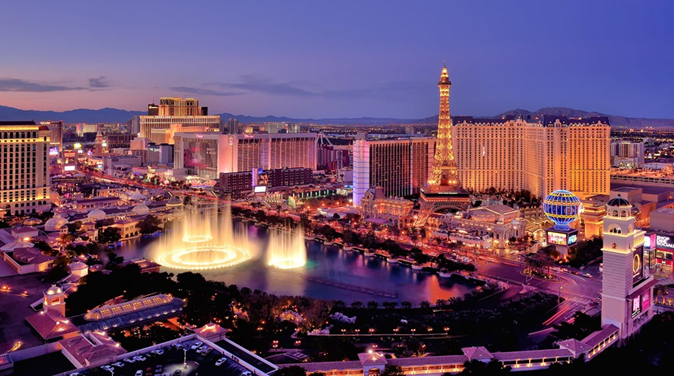
In recent years, Formula One has changed from a niche international motorsport to a rapidly growing event in the United States. Once overshadowed by more popular American sports like NASCAR and Indycar, Formula One now draws millions of American fans and significant sponsors. The new Las Vegas Grand Prix, Miami Grand Prix, and United States Grand Prix in Austin, TX, show how the sport is expanding in the country. It could take a leading role in global racing culture, which was once dominated by domestic series.
Basics and History of Formula One
Formula One, often seen as the top tier of motorsports, started with the first world championship race at Silverstone, England. The sport features single-seat, open-wheel cars designed for aerodynamics, speed, handling, and precision, racing on circuits worldwide. There are 10 teams and 20 drivers, with two drivers per team competing for both the Driver’s Championship and the Constructor’s Championship. The Driver’s Championship is awarded to an individual driver, while the Constructor’s Championship goes to the team with the most combined points from both drivers. To score points, a driver must finish in the top 10. First place earns 25 points, second place earns 18, and so on down to 10th place, which earns 1 point. Historically, Formula One struggled to gain traction in the United States, with events moving between venues like Watkins Glen, Phoenix, and Indianapolis. It wasn’t until the 2010s, with the establishment of the Circuit of the Americas (COTA) in Austin, Texas, that the sport found a stable American home and a growing fan base.
Why Formula One Has Become Popular in the U.S.
Several factors have fueled Formula One’s recent rise in popularity. The 2019 Netflix series “Formula 1: Drive to Survive” introduced millions of Americans to the drama, personalities, and rivalries behind the scenes of racing. This storytelling humanized the drivers and teams, turning them into relatable celebrities. Additionally, greater accessibility through streaming platforms and social media has made it easier for new and long-time fans to follow the sport. Major races in American cities like Miami, Austin, and Las Vegas, added in 2022, 2012, and 2023, respectively, have also generated excitement. They make F1 weekends a form of entertainment that appeals to people beyond traditional racing fans.
The Possible Future of F1 in America
The future of Formula 1 in America looks promising, though it faces both challenges and opportunities. With multiple U.S. races now on the calendar and increasing corporate investment, the sport is positioning itself as a permanent part of the American sports scene. However, it must maintain its European roots while also appealing to a diverse and fast-paced American audience. As young fans continue to engage through social media, esports, and content-driven coverage, Formula One could become as mainstream in the United States as basketball or football in the next decade.
The rise of Formula One in America is more than just a racing trend; it represents a cultural shift. Combining international competition, cutting-edge vehicle technology, and reality show-style drama, F1 has found its place in American sports. Whether it continues to grow or stabilizes will depend on how the sport evolves, but one thing is clear: the United States is firmly on the Formula One map. Involve yourself, attend a Grand Prix, stream a race, follow a team, whatever your entry point, the track is wide open. Let’s fuel the momentum and make Formula One not just a spectacle, but a staple in American sports culture.